
Busting Coonhound Myths: Why These Dogs Make Great House Pets
Quick Summary
-
Coonhounds are often misunderstood and fill many animal shelters, but they are not loudmouths by default. While some breeds are skilled at hunting and vocalizing, others are quiet indoors. They are not aggressive and make good companions for families.
-
Coonhound breeds like the Redbone Coonhound, Plott Hound, and Bluetick Coonhound make fantastic family dogs due to their close historical connection with humans and their cleverness, discipline, and thoughtfulness.
-
They’re attractive dogs with few health issues and are happy wanderers.
-
They have a strong sense of smell, but they can also be couch potatoes and adapt well to social environments, getting along with other dogs, adults, and even cats if raised together.
When Bo, an 11-year-old champion Black and Tan Coonhound, was laid to rest in October at the Underwood Memorial Coon Dog Cemetery in Tuscumbia, Ala., the Associated Press reported that nearly 400 mourners attended his funeral.
Such an outpouring of grief for one dog probably comes as no surprise to many Coonhound pet parents, who almost unanimously describe their dogs as sweet, loving and extremely social with adults, children and other dogs. In fact, one of the only negatives they may cite is the misconception that these dogs are nothing more than loud, smelly, hunting dogs that have no business being indoor house pets.
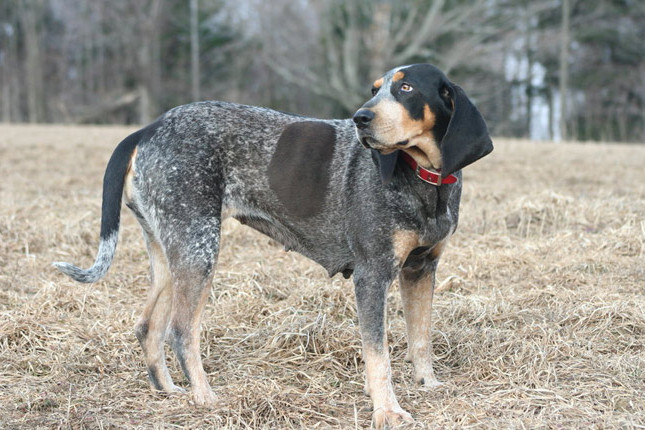
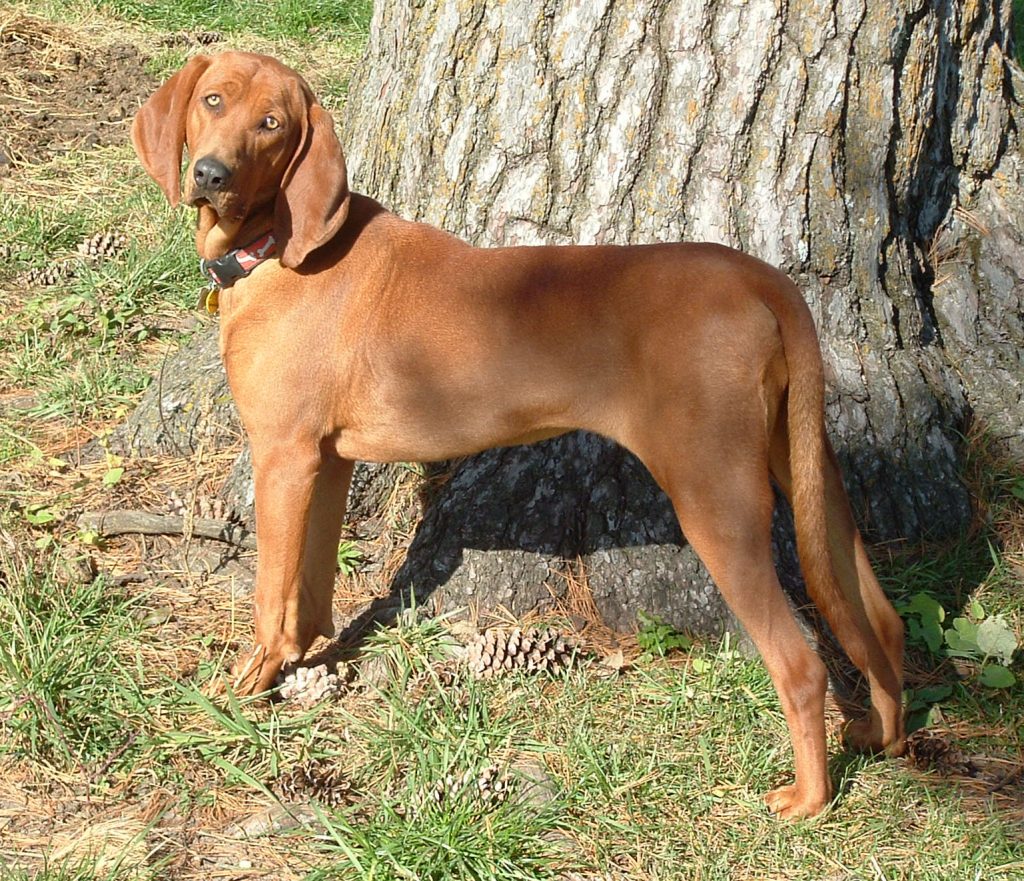
Contrary to what some might think, Coonhound breeds like the Redbone Coonhound, Plott Hound, Bluetick Coonhound, and others, are all fantastic family dogs because of how closely they worked with humans in the past. Hailing from a proud tradition of hunting raccoons and other sly game animals, Coonhounds are incredibly clever, disciplined, and thoughtful hunting hounds, who are fantastic choices for dog owners who want a quieter home. But that certainly doesn’t mean they’re boring. They’re gentle, but they’re very playful and great companions. That’s just one of the usual Coonhound myths, and experienced dog owners who have handled Coonhounds, such as myself, have heard them all before. Today, let’s bust some of the more persistent ones.
Coonhounds: Separating Fact from Fiction
“People think they’re stupid, wild dogs, climbing trees in the countryside,” said Anna Nirva of Coonhound Companions, an advocacy group formed last year.
Because of these misconceptions, Coonhounds – whose six breeds, all of which originated in the United States, are the American English; Black and Tan; Bluetick; Plott; Redbone and Treeing Walker – fill many animal shelters in the southern and eastern regions of the country. Even Pit Bulls, the breed most likely to be found in shelters elsewhere, are adopted more frequently in these areas than Coonhounds.
Somehow Beagles – which were also bred as hunting dogs – have managed to escape the negative stereotype. According to the most recent American Kennel Club (AKC) registration statistics, the Beagle is the fourth most popular dog in the U.S.
The AKC itself has pretty much ignored Coonhounds until very recently. While the Black and Tan Coonhound has been recognized since 1945, Plotts weren’t accepted into the AKC registry until 2006; Redbones and Blueticks in 2009; and the American English just this year. Next year, Treeing Walkers will finally receive AKC recognition.
Last September, Steve Fielder, director of the AKC’s Coonhound division, optimistically wrote in a “Coonhounds at the AKC” article, “There’s no doubt the Coonhound breeds will flourish with AKC’s acceptance.”
Coonhound Companions is working hard to make Fielder’s prediction a reality. Nirva and other members of the “Coonie-crazy team,” as its website describes them, made an effort to bust some myths and spread the good word about these dogs.
Myth: Coonhounds Are Loudmouths
Although potential adopters might fear a Coonhound would be too vocal (and Elvis didn’t help their image any by singing, “You ain’t nothin’ but a hound dog, cryin’ all the time”), many of these dogs end up homeless for precisely the opposite reason – they can be too quiet, even when their owners need them to be. This can make them poor guard dogs, and on occasion even bad at hunting, which they were originally bred for.
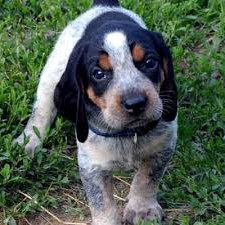
However, certain Coonhound breeds like the Plott Hound and Bluetick Coonhound are particularly skilled at keeping up their hunting tradition. And other breeds, like the Redbone Coonhound, are very vocal whether on the hunt or relaxing at home.
Mary Beth Hall, who is the chief dog warden of Union County, Ohio, said, “It’s a misconception that they’re loud. They’re quiet indoors.” This is true even for breeds like the Treeing Walker Coonhound. Treeing Walker Coonhounds were bred for treeing, or the practice of cornering an animal up a tree by scaring them with loud barking.
But that doesn’t mean a Coonhound won’t occasionally serenade you – Redbone Coonhounds are particularly expressive with their vocalizations. As Jerry Dunham, the founder of Tejas Coonhound Rescue, noted, “They tend to peel the paint when they vocalize.”
Nirva said Austin, her rescued Treeing Walker Coonhound, literally sings for his supper. “But otherwise, he’s quiet,” she added.
Emily Plishner, whose two Redbone Coonhounds compete in United Kennel Club events, said Coonhounds are “the most musical dogs in the world.”
Along with the singing, Plishner said dogs like the Redbone Coonhound have an incredible vocabulary. “They have a whole range of voices,” she said. “You can tell which neighbor is approaching just by the tone of their bark.”While their barking might make them good watchdogs, Jean Stone, the founder of Gentle Jake’s Coonhound Rescue in Ontario, Canada, noted that Coonhounds were not bred to be aggressive. “If you’re looking for a guard dog, don’t get a Coonhound,” she advised. “They don’t have a mean bone in their bodies, and would do anything to avoid a fight.” That’s great for potential dog owners who are concerned about the dog biting their kids.
Truth: Coonhounds Are Lookers
Not only would a Coonhound be a shoo-in to win “American Dog Idol,” but they’re also major crowd pleasers, thanks to their doggie-matinee-idol looks.
“Those big brown eyes and long, floppy ears … they could beg the last crust of bread from a beggar, they’re so irresistible,” Plishner said.
Angela Faeth, owner of Map Adventures, said that when she walks Olivia, her Black and Tan Coonhound, her dog becomes a “total guy magnet.”
And because they were bred to be good hunters rather than good lookers, Coonhound breeds generally have few health issues. The most common is easily treatable ear infections due to those adorably floppy ears. Coonhound owners just have to master how to treat dog ear infections given how common these are in Coonhounds compared to other breeds.
“Beagles and Bassett Hounds tend to have more health problems – and more difficult personalities – than Coonhounds, yet they are more popular,” noted Stone. Just remember that the health issues Coonhounds are susceptible to can become a problem if their owners aren’t on the lookout for them — frequent checkups and the occasional blood test should let pet parents keep on top of that.
Truth: Coonhounds Are Happy Wanderers
When they take their Coonhounds out to meet their adoring public, pet parents must be sure to keep them on leash. So you better get the best dog leashes for Fido.
“They can quickly cover many miles,” Stone said. “In fact, some Coonhounds end up in shelters because they became lost after they were separated from their owners.”
Nirva said the popular conception that these dogs require yards with 6-foot fences “may be true for some Coonhounds, but for not all of them.” She said Austin has never left her property, even though there are raccoons and other dogs roaming the neighborhood. “He’ll wander over to the driveway, but won’t go farther,” she said.
Just to be safe, it’s probably a good idea to invest in the best wireless dog fence if you’re looking to own a Coonhound; or better yet, get the best GPS dog trackers to cover every eventuality.
Truth: Coonhounds Are Very Nosy
Because they are scenthounds bred to chase raccoons (and bears) up trees, Coonhounds have incredible senses of smell[1].
“It’s amazing how their noses work,” Plishner said. “Their nostrils open and they take in the world. They know what’s passed through the yard overnight. There are no secrets with a Coonhound.”
Faeth said that when a Coonhound’s nose is down, his ears are closed. Hale agrees: “If they’re focused on something else, it’s like talking to a wall.”
Although you might think a Coonhound would only be happy if he were hot on the trail of some varmint, these dogs tend to have an indoor/outdoor switch, and can be perfectly happy couch potatoes.
Myth: Coonhounds Smell Bad
Another persistent myth concerns H.O. – hound odor. But most Coonhound pet parents say their dogs are funk free, even if they’re only bathed a couple times a year.
Faeth said dogs that aren’t neutered or spayed, and those kept outdoors, may be more odiferous. She noted that her own dog does have a slight scent around his ears, but it’s a very pleasant musk she likes to call “hound elixir.” As always though you must care for Fido by practicing dog grooming regularly. There are no excuses for dog owners in this day and age not to stay on top of their dog’s hygiene.
Truth: Coonhounds Are Social Networkers
Because they were bred to hunt in packs of two to four dogs, Coonhounds are extremely social.
“A great advantage is that you never have to worry about Coonhounds with other dogs,” Hall said. “They do really well at the dog park.”
Coonhounds also get along fine with both adults and children. If they’re raised with cats, they can even get along with them as well.
Release the Hounds (From Shelters)!
If all of these accolades have you thinking about adopting a Coonhound of your own, be sure to do your homework first (just as you should for any breed). Dunham recommends that you contact a rescue group for their assistance in finding the perfect Coonhound for you.
For more information about Coonhounds or to find out how you can help spread the positive word about these dogs, visit the Coonhound Companions website.